Over on the Suffolk coast is Orford Ness. What was once a secret military base was sold to the National Trust back in 1993. It was a place I had wanted to visit for a while. However Orford is a bit of a hike from Weston, so not a place I can do in a day.
In order to visit Orford Ness you need to book a timed ferry trip. The ferry makes regular trips back and forth.
Orford Ness
Internationally important coastal nature reserve, with a fascinating 20th-century military history
Current saving £410.75
One adult £15.00
Parking £5.00
Ferry £4.50
Total saving £15.00
Cumulative saving £521.75
Membership cost £96
Net cumulative saving £425.75
I had sailed past Orford Ness as a child in the 1970s and 1980s, but had never visited there, well then it was a secret military base.
When I saw that it was now possible to visit, I wanted to go. As I said it was a bit of a distance from my side of the country, so I knew I probably would have to wait until I had an opportunity to get there.
I arrived early and parked in the nearby car park. This is a public car park and National Trust members have to pay to park.
I then had to wait for my ferry crossing time. To call it a ferry is more a description about what it does, rather than a description of the boat. It reminded me of the small fishing boats that use to be found on the Aldeburgh beach.
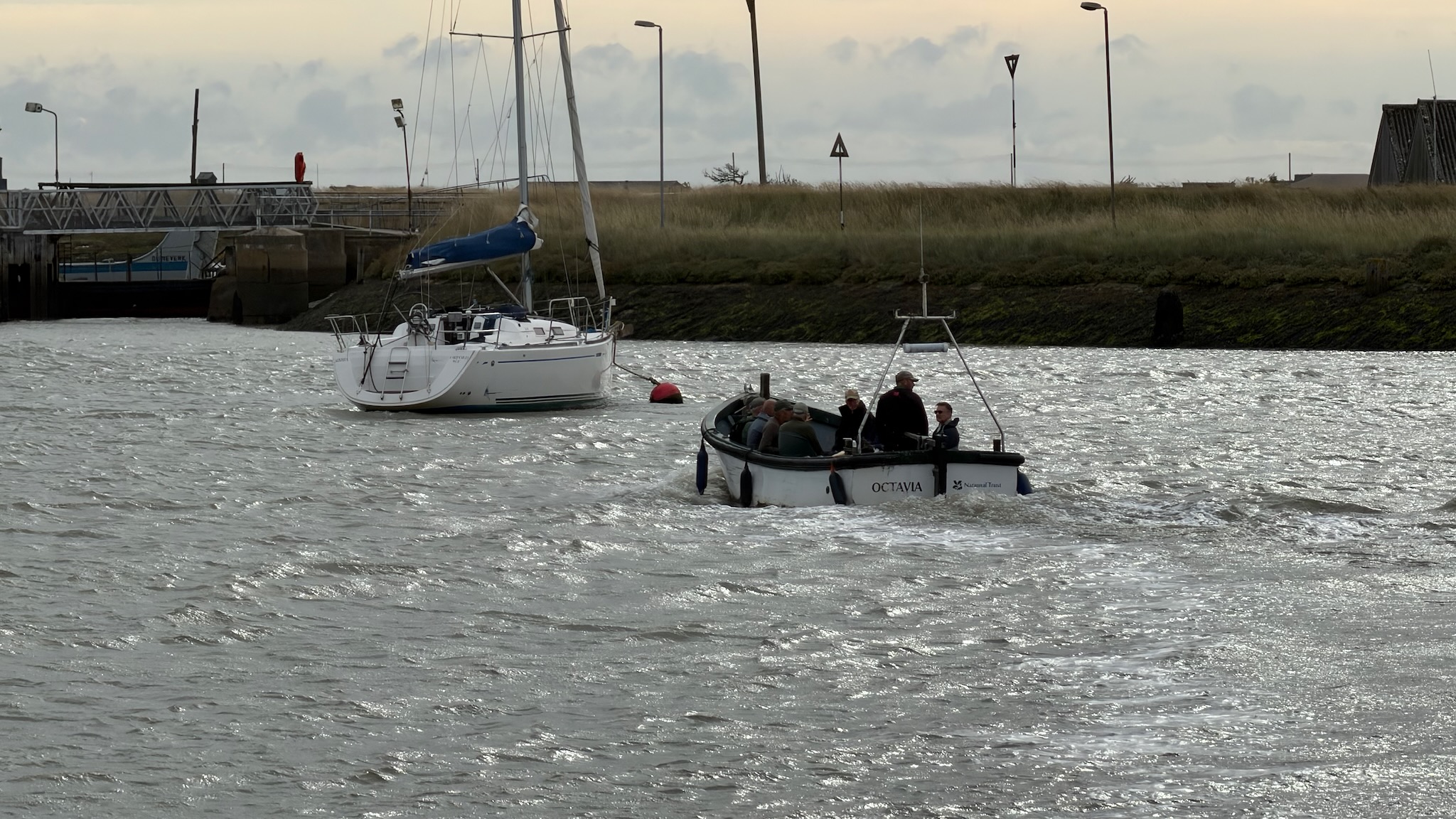
Over on the other side of the river we were given a briefing, and then we were left to explore the area for ourselves. There may still be unexploded ordnance on the site, so we were advised to keep to the paths.
First I went to see the exhibitions. They provided some of the background and history to Orford Ness. I didn’t realise that there were two airfields built on the Ness. Some of the history is still classified or unknown.
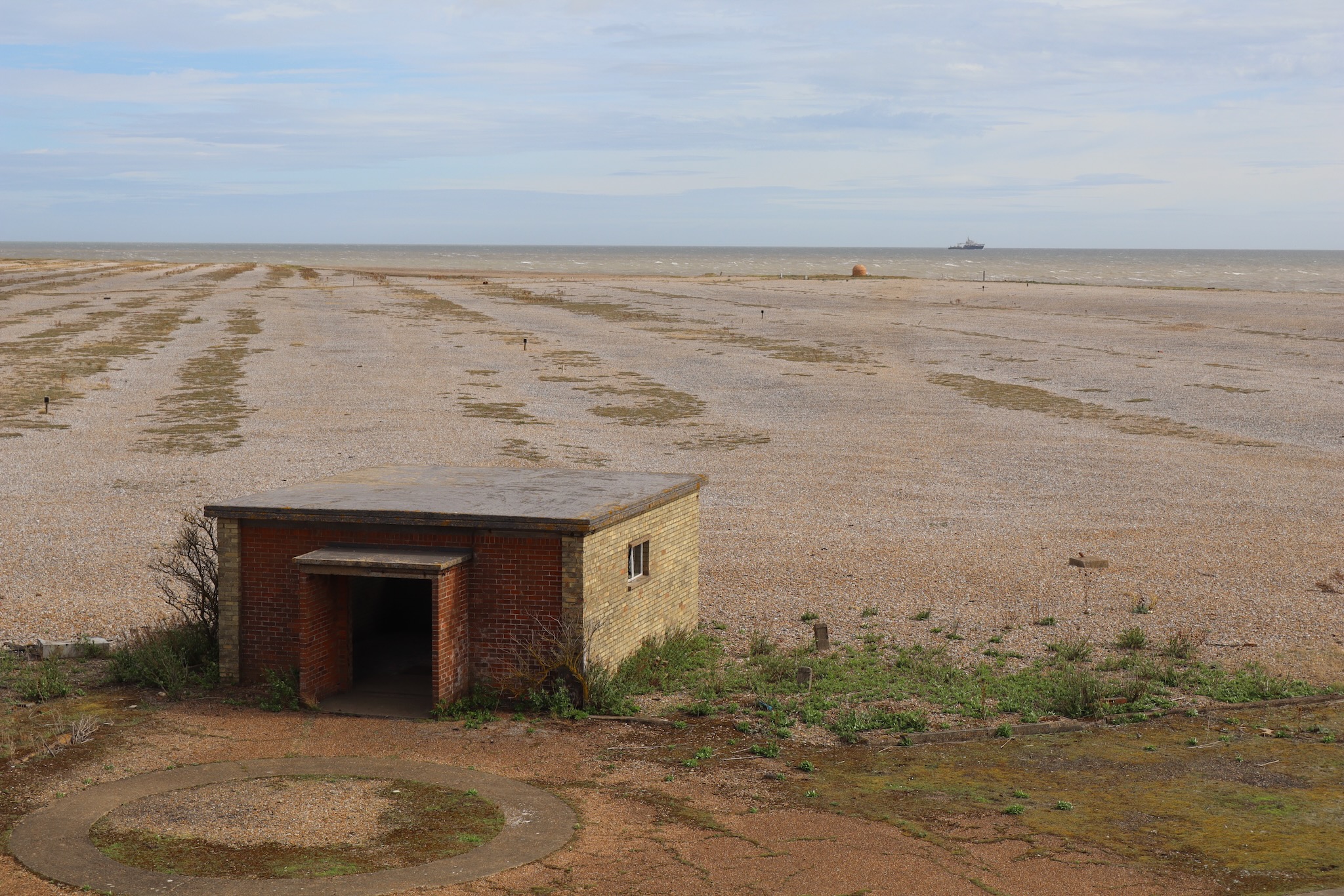
In one of the buildings had a nice chat with an artist who paints pictures of Orford Ness, their paintings were on display.
Stopped in the bookshop for a cup of tea. Had a lovely chat with a couple who were also visiting the Ness.
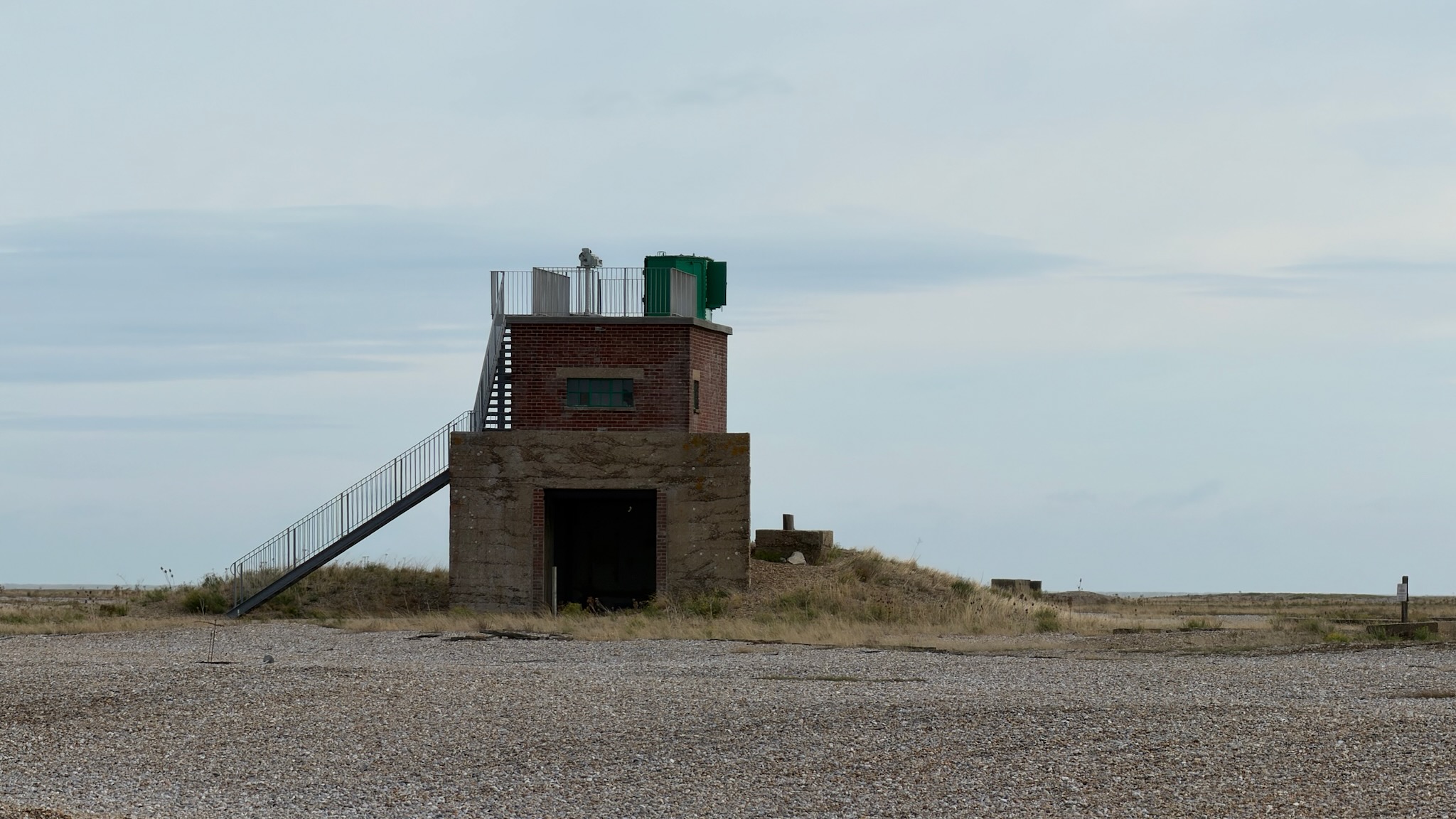
From the bookshop I walked over to the Black Beacon. Had a good chat with the volunteer there and he gave me some interesting insights into the area.
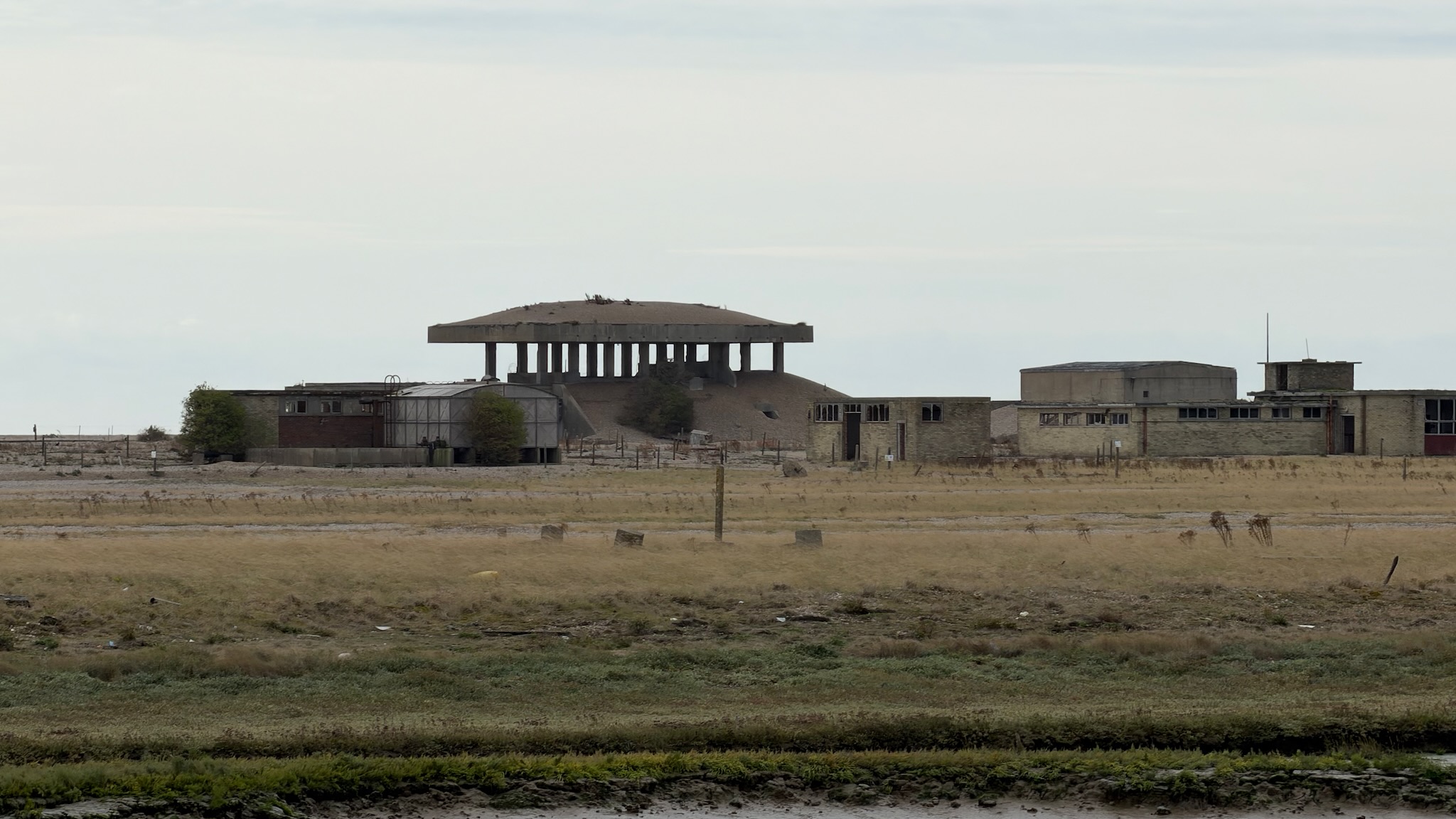
I then walked to the AWRE Laboratory. It was in a state of decay and looked like something out of an apocalyptic movie.
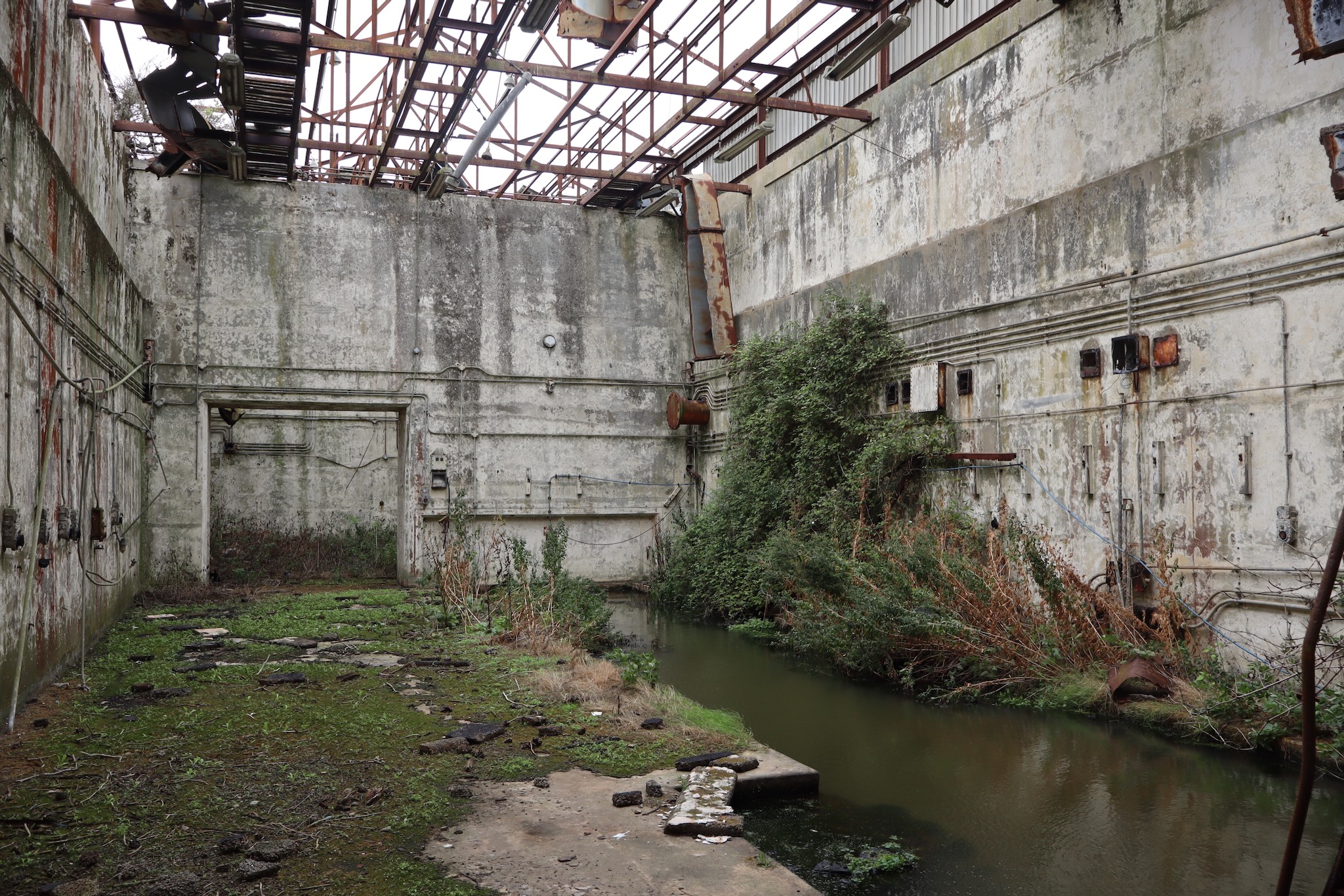
Went back to the Bomb Ballistics Building. You could see Aldeburgh in the distance and Sizewell.
While I was there, I took a bunch of photographs including one of a mysterious concrete ring in the shingle. The information boards implied no one was sure what the purpose was.
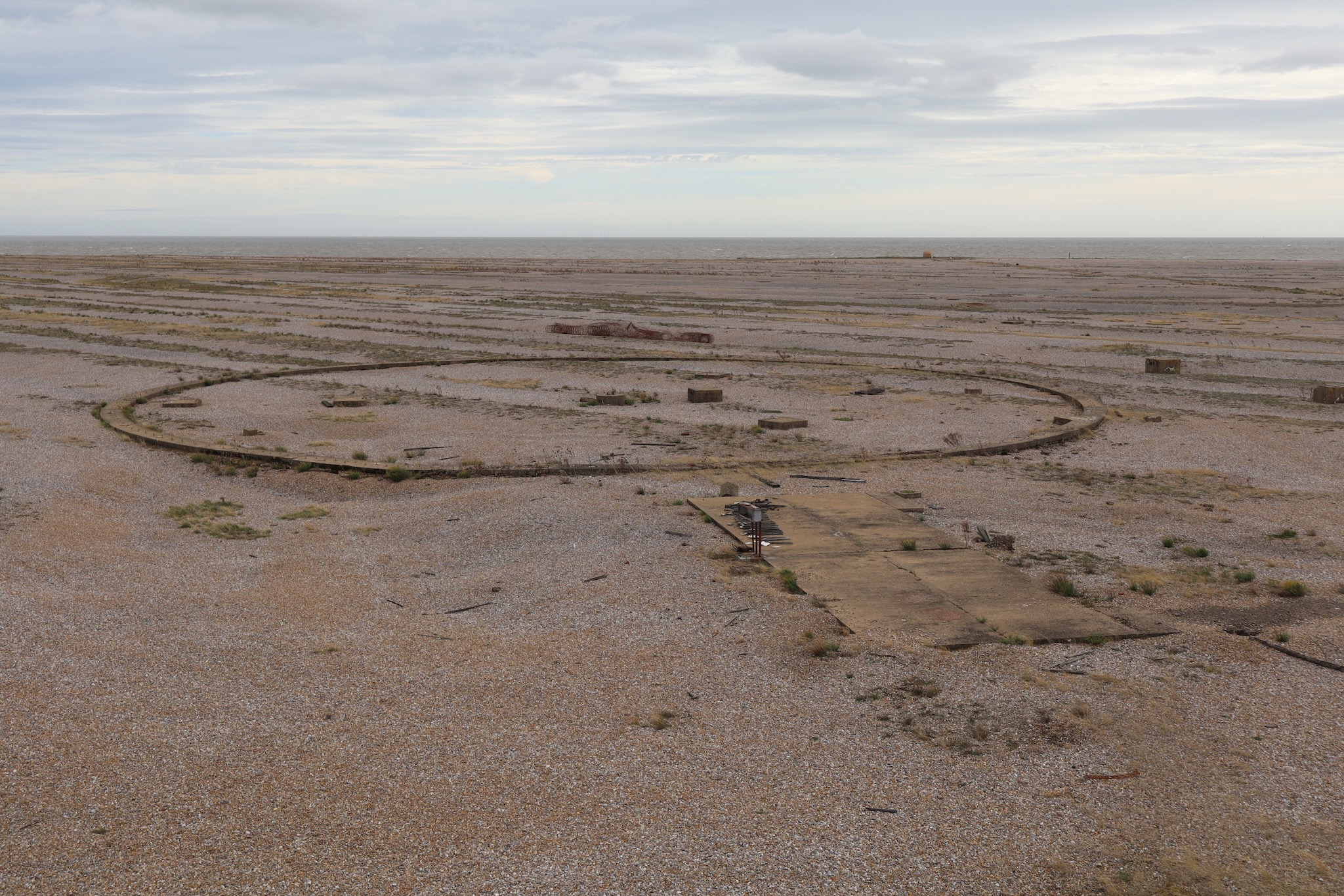
Then three days later the BBC News published this news item on their site, Mystery of concrete ring ‘solved after 30 years’.
The purpose and function of a mysterious concrete ring at a former military testing site has been uncovered, the National Trust said. The 50m (164ft) ring at Orford Ness, Suffolk, had baffled staff and volunteers at the coastal nature reserve since the trust acquired the site in 1993. However, it said the mystery was solved after researchers Steve Clifton and Olaf Kirchner discovered the ring was part of a radar known as the R-System – designed to detect nuclear explosions and rocket launches during the Cold War.
Coincidence? Of course it was… Or was it…
Decided I would do the walk over to the Kings Marshes. Saw the Cobra Mist building. I remember seeing this as a child but had forgotten about it until this visit.
Arrived back at the jetty for the ferry back to Orford Quay.
It was a great trip and I really enjoyed exploring and seeing the place.